Reinventing the most important hour in hiring
Think about how a hiring decision actually gets made. After all the sourcing and screening and scheduling, it comes down to a handful of interviews—an hour with a near-stranger, a few notes typed in a hurry, and a gut feeling in the debrief room. It’s the highest-stakes moment in all of hiring, and somehow the least structured one. Everybody interviews a little differently, asks different questions, and walks away remembering different things.
That gap had bothered me for years. So when I became CEO of Textio in 2024, I set out to build the most ambitious product in the company’s history, and Lavalier is the result.
Lavalier is an AI-native interview intelligence platform, and I mean native in a particular way. The easy version of “AI for interviews” is to bolt a chatbot onto the side of an old applicant-tracking system and call it a day. We did the opposite: start from the real human problem and rebuild the whole workflow around what AI makes newly possible—defining the role, planning the interviews, guiding them while they happen, and comparing candidates on the same evidence afterward. I conceived it, shaped the product and its design, and shipped it with the team.
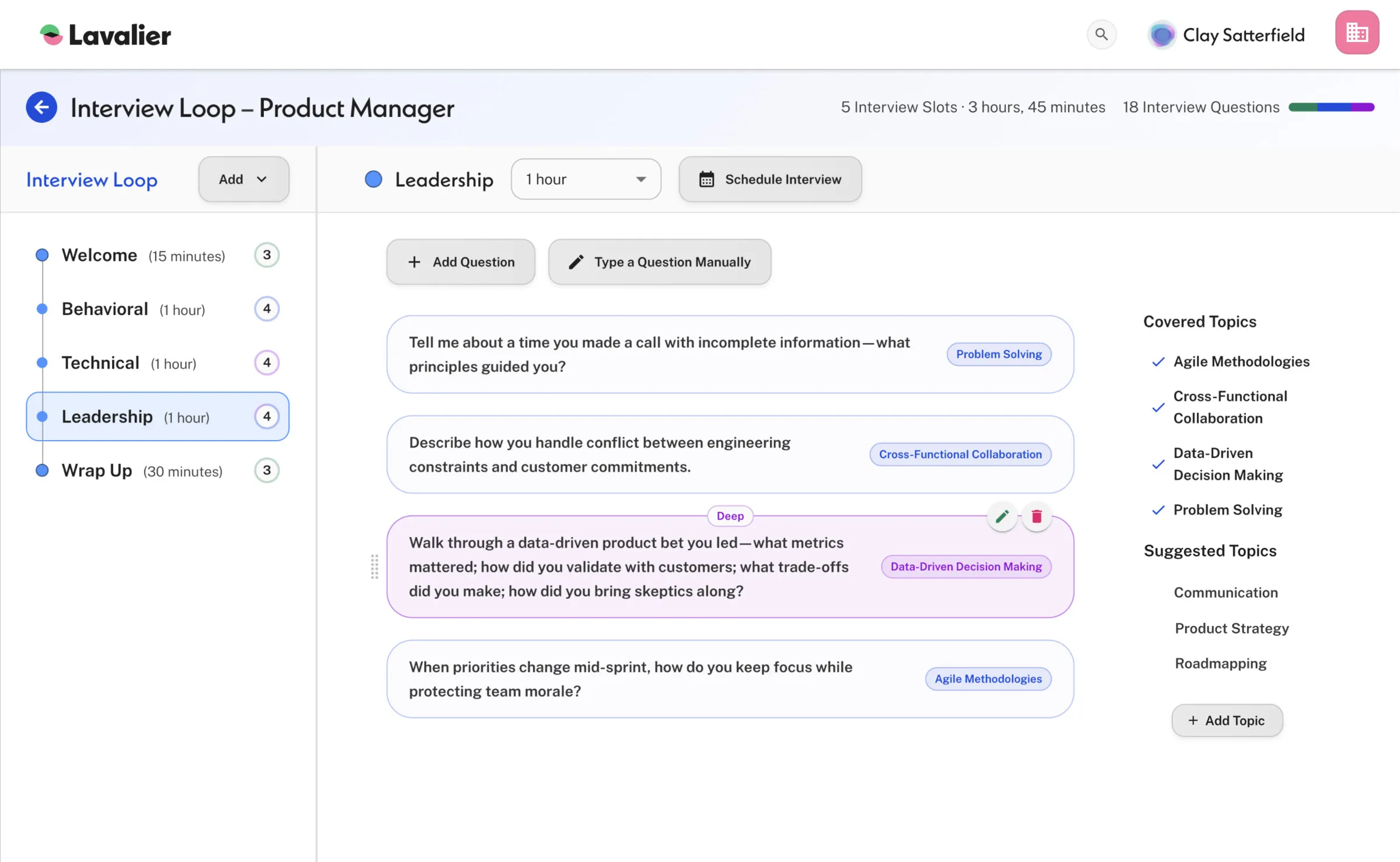
A closer look
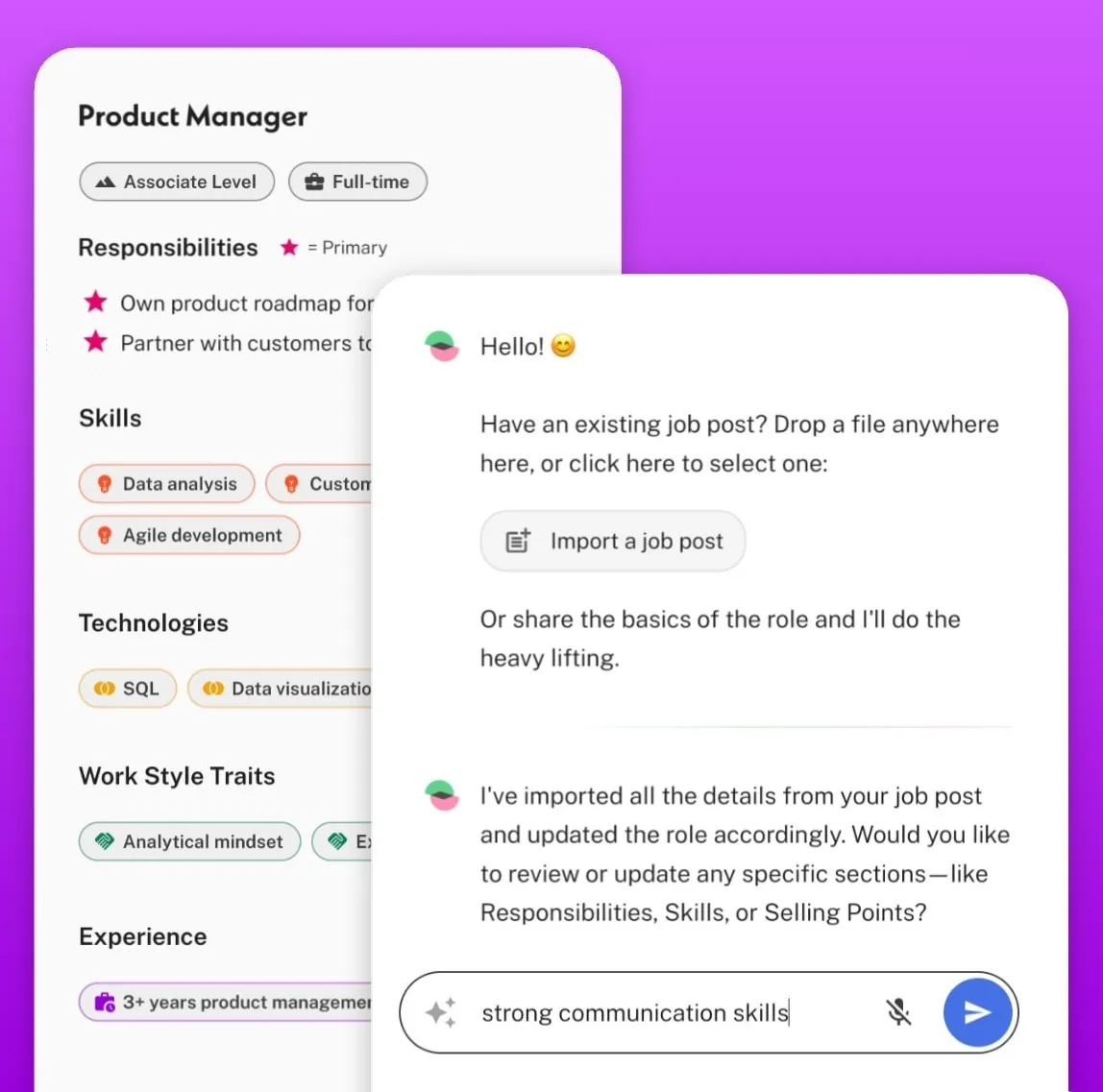
So much of what goes wrong in hiring is set in motion before anyone has met a candidate—in a rushed, fuzzy intake conversation where the recruiter and the hiring manager quietly walk away picturing two different jobs. Everything downstream inherits that ambiguity. So the very first thing Lavalier does is the least glamorous and most important part of all: getting everyone aligned on the role. You talk it through with the AI, or hand it a description to react to, and it helps you pin down the competencies that actually matter—then drafts the job posting, all in a few minutes. Get the beginning right and everything after it gets dramatically easier.
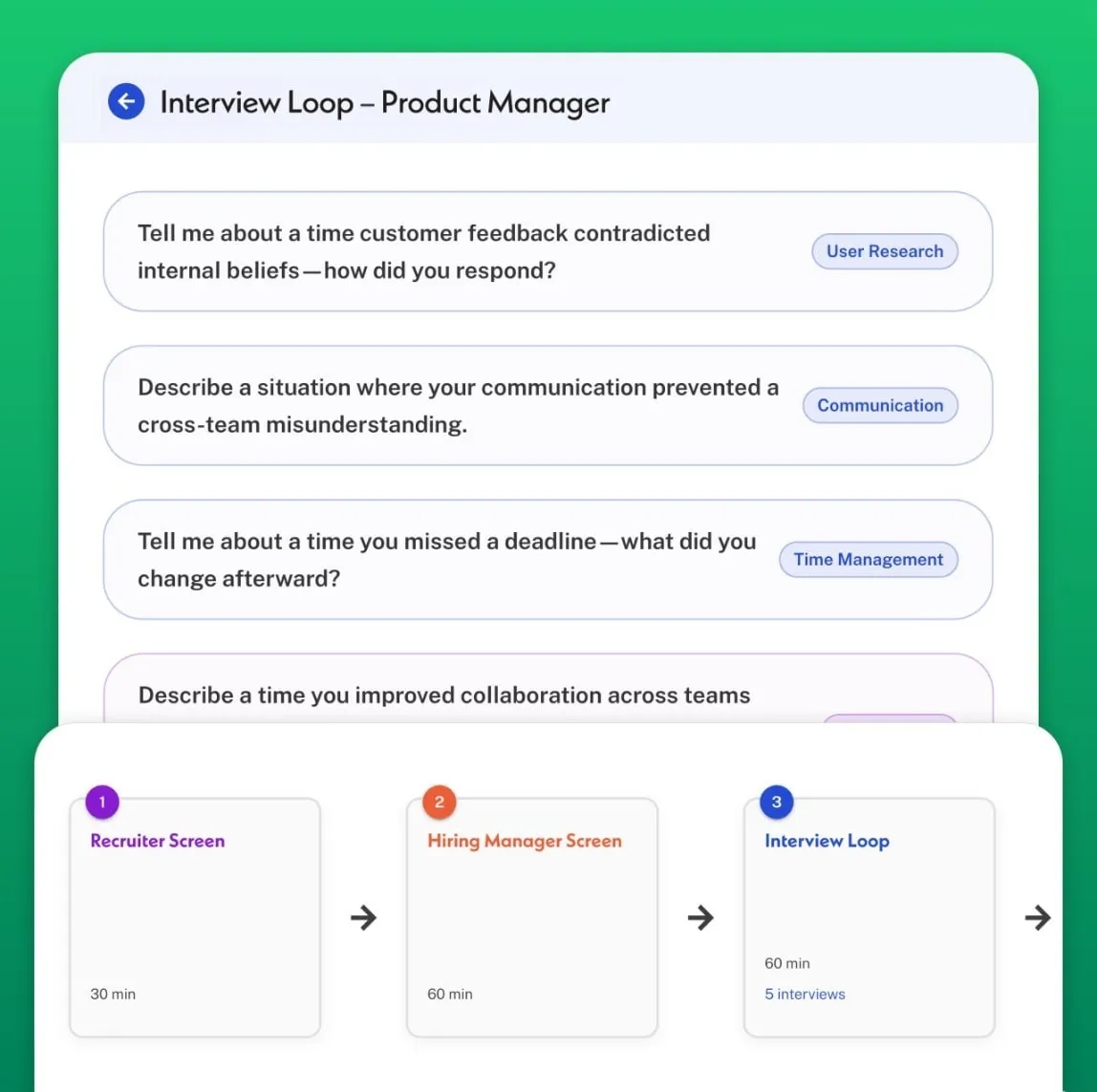
The stretch between “we agree on the role” and “the panel is ready” is where hours quietly disappear. Someone has to design the loop, write the questions, decide who covers what, and keep two interviewers from unknowingly asking the same thing. It’s tedious, it’s easy to half-do, and a thin plan all but guarantees a thin interview. Plan Builder takes the alignment from intake and turns it straight into a structured guide: a loop with stages, questions tied to the competencies you chose, and every interviewer handed a clear assignment. All of it is editable—the goal was never to replace the team’s judgment, just to hand them a strong first draft instead of a blank page.
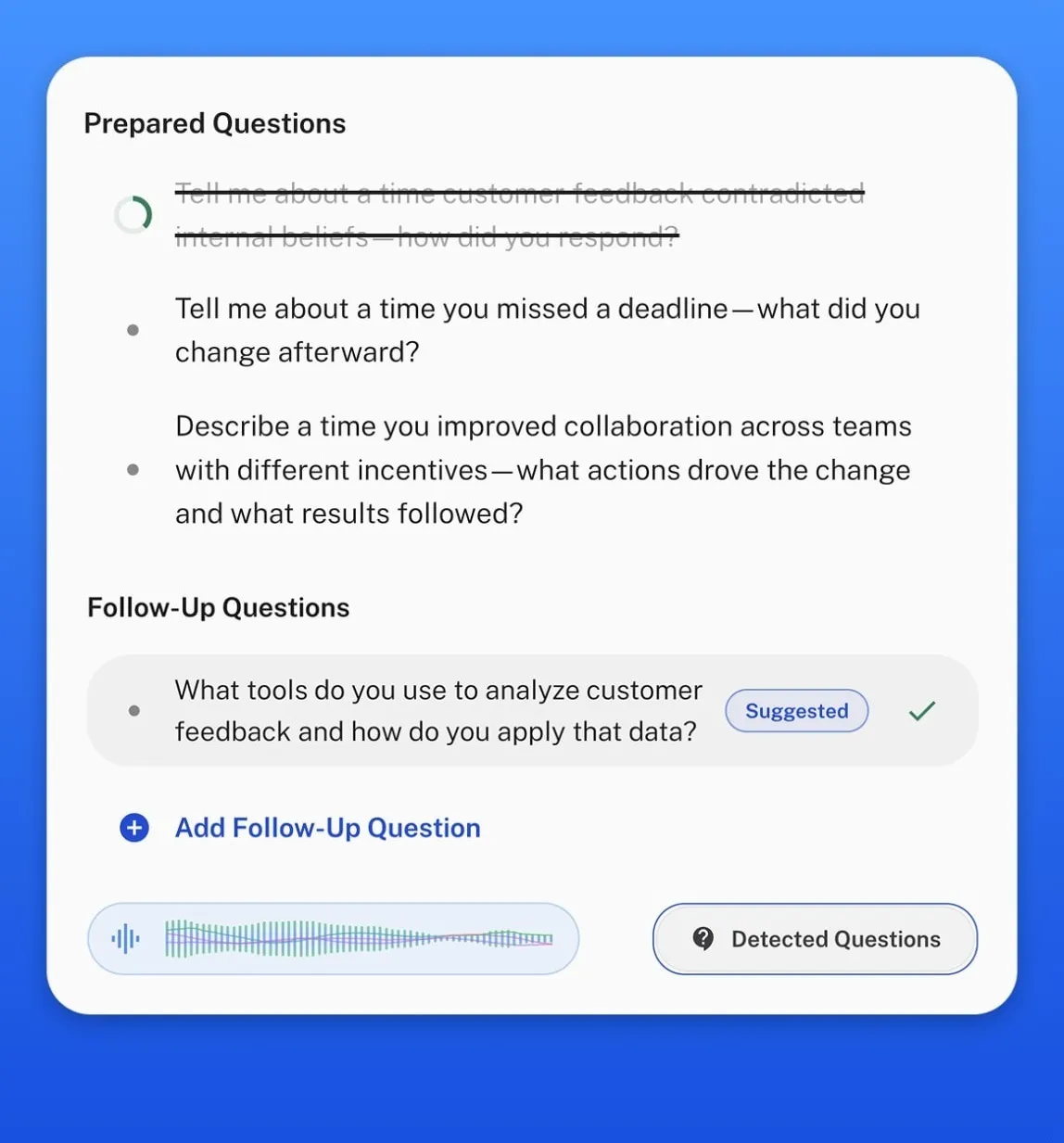
Here’s the slightly uncomfortable truth about interviewing: most of us aren’t very good at it, and we almost never get the kind of feedback that would help us improve. The same role gets a prepared, attentive interviewer one day and a distracted one running on pure instinct the next, and it’s the candidate who pays for the difference. Live Guidance rides along during the conversation and helps in the moment—offering the next prepared question, nudging toward a competency nobody has covered yet, and taking the notes so the interviewer can actually listen. I cared a great deal that it feel like a capable assistant sitting in the room, not a teleprompter barking orders. Whoever’s interviewing is always the one running the conversation.
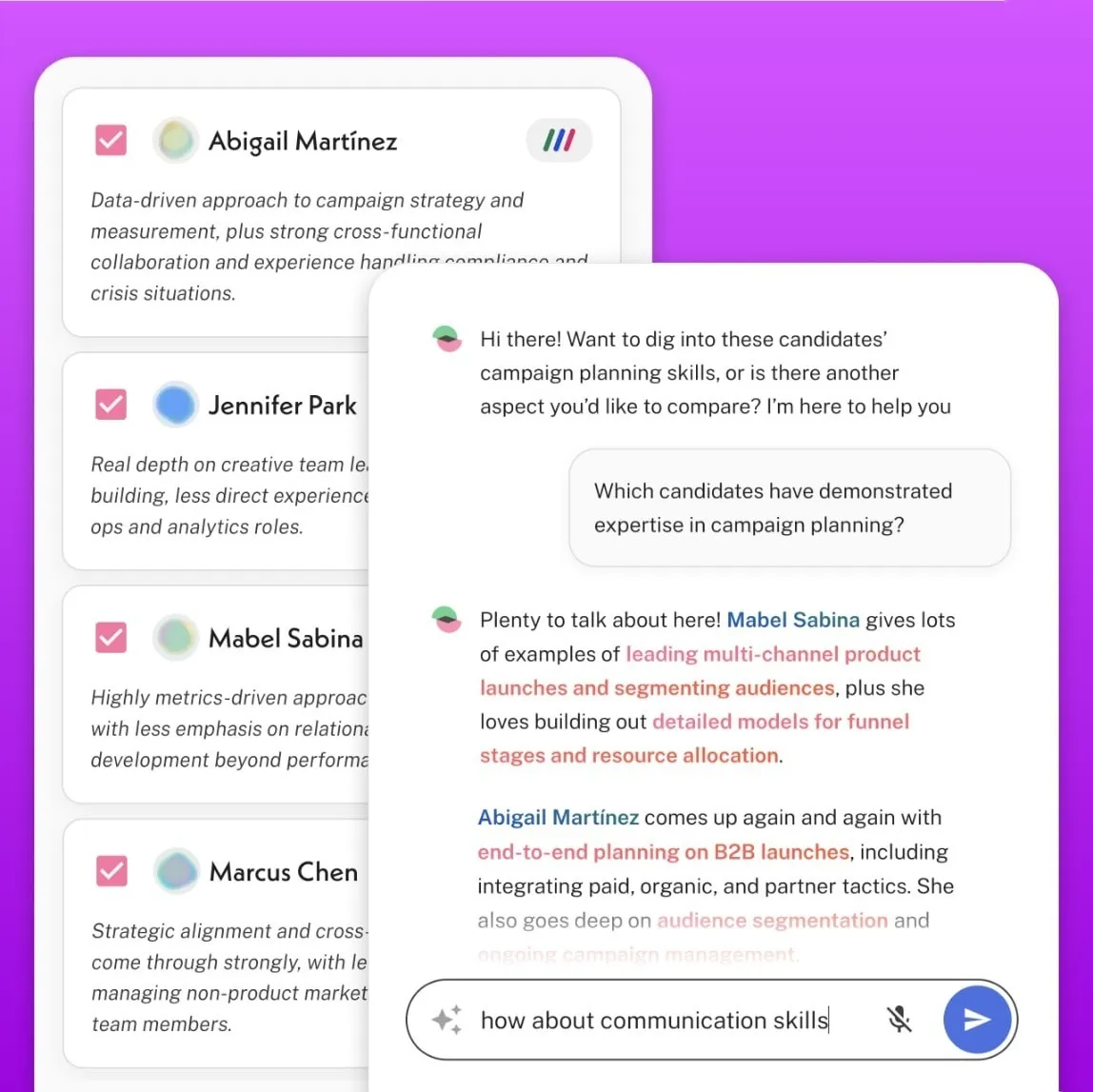
Sit through enough debriefs and you start to notice they’re often settled by the wrong things—who spoke first, who outranks whom, who tells the most confident story about a candidate they spent forty-five minutes with. The real evidence is scattered across half-remembered notes. Candidate Compare pulls it back to the middle of the table: every candidate lined up against the same competencies you defined at the start, with the actual moments from each interview that back the call up. It won’t make the decision for you—Lavalier never does—but it makes that decision a fairer one, grounded in what was really said instead of who said it loudest.
The hardest part to get right
The interview is the part of hiring that matters most and gets the least real help—an hour a career and a company turn on, left almost entirely to improvisation. Going after problems like that is what Textio does, and Lavalier is its answer to this one: built from scratch, AI-native from the first screen, rethinking the whole arc from planning an interview to making the final call.
What I’m proudest of is the line it won’t cross. Lavalier never makes the decision for you—it does the heavy lifting of structure, questions, notes, and evidence, then hands the judgment back to the people in the room, sharper than they walked in. The best software makes us more capable without quietly taking over the work, and that’s exactly what Lavalier set out to be.
Lavalier is live, and free to get started. See it for yourself at lavalier.ai.